By Joseph Kiggundu
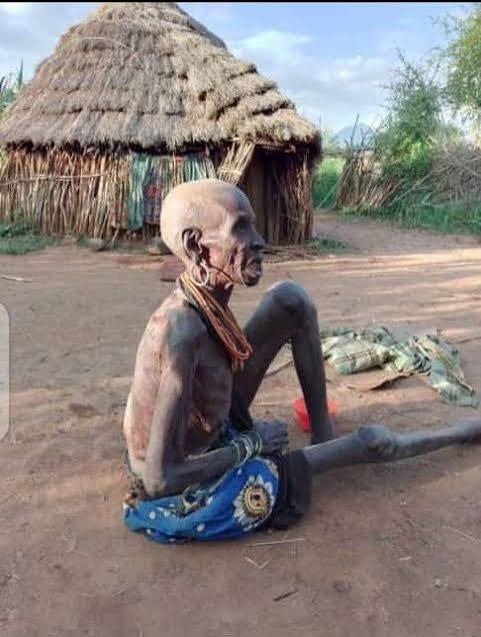
The Government of Uganda has launched a large-scale emergency food assistance programme to support almost 314,000 households across the Karamoja sub-region after an extended dry spell severely disrupted agricultural production, leaving thousands of families struggling with food shortages.
The relief operation was officially launched on Sunday by Prime Minister Robinah Nabbanja at the National Enterprise Corporation (NEC) headquarters in Bugoloobi, Kampala. Under the programme, 9.4 million kilograms of maize flour and beans will be distributed to 313,987 households in 480 parishes across Karamoja’s nine districts.
The intervention comes as food security conditions continue to deteriorate in the region. According to the June 2026 Integrated Food Security Phase Classification (IPC) assessment, about 473,000 people—representing nearly one-third of Karamoja’s population—are experiencing severe food insecurity classified under IPC Phase 3 (Crisis) or worse. Within this group, around 41,000 people are facing Emergency (IPC Phase 4) conditions, while approximately 432,000 are in Crisis.
The assessment indicates that all districts in Karamoja are affected, with Kaabong, Kotido, Karenga, Moroto and Nabilatuk among the most severely impacted. In some of these districts, up to 45 percent of residents are facing acute food shortages.
Experts attribute the worsening situation to a combination of prolonged dry conditions, poor harvests, livestock losses, crop pests and diseases, as well as rising food prices that have made it increasingly difficult for vulnerable households to access food.
The Office of the Prime Minister (OPM) is coordinating the distribution exercise with support from the National Enterprise Corporation, the Uganda People’s Defence Forces (UPDF), Uganda Prisons Service, Uganda Police Force and local government authorities to ensure the supplies reach the intended beneficiaries.
Speaking at the launch, Prime Minister Robinah Nabbanja said the government remains committed to assisting communities affected by the crisis while strengthening their resilience to future climate shocks.
Relief, Disaster Preparedness and Refugees Minister Sam Engola urged political leaders, religious institutions, civil society organisations and local communities to support the exercise by promoting transparency, accountability and orderly distribution of the food.
The emergency response follows widespread crop failures linked to erratic and below-normal rainfall that disrupted planting across the region. Recent assessments by the Food and Agriculture Organization (FAO) indicate that the rainy season started late and was interrupted by prolonged dry spells, forcing many farmers to replant their crops and delaying harvests. Weather forecasts also suggest the possibility of below-average rainfall in northeastern Uganda, raising concerns over another difficult farming season.
Humanitarian agencies have also expressed concern about increasing levels of malnutrition, particularly among children and pregnant or breastfeeding women, with Karamoja remaining one of Uganda’s most vulnerable regions.
Government officials say the current food distribution is aimed at addressing immediate humanitarian needs while longer-term programmes focus on reducing the region’s vulnerability to recurring droughts and food insecurity.
Permanent Secretary in the Office of the Prime Minister, Alex Kakooza, said the government will continue monitoring the food security situation in Karamoja and neighbouring districts while working with development partners to implement long-term resilience programmes under the recently approved Karamoja Regional Development Plan.
Although food availability is expected to improve after the anticipated harvest later this year, analysts caution that chronic poverty, climate variability and limited livelihood opportunities mean food insecurity is likely to remain a major challenge. They argue that sustained investment in climate-smart agriculture, water infrastructure and livelihood diversification will be essential to achieving lasting food security in the region.