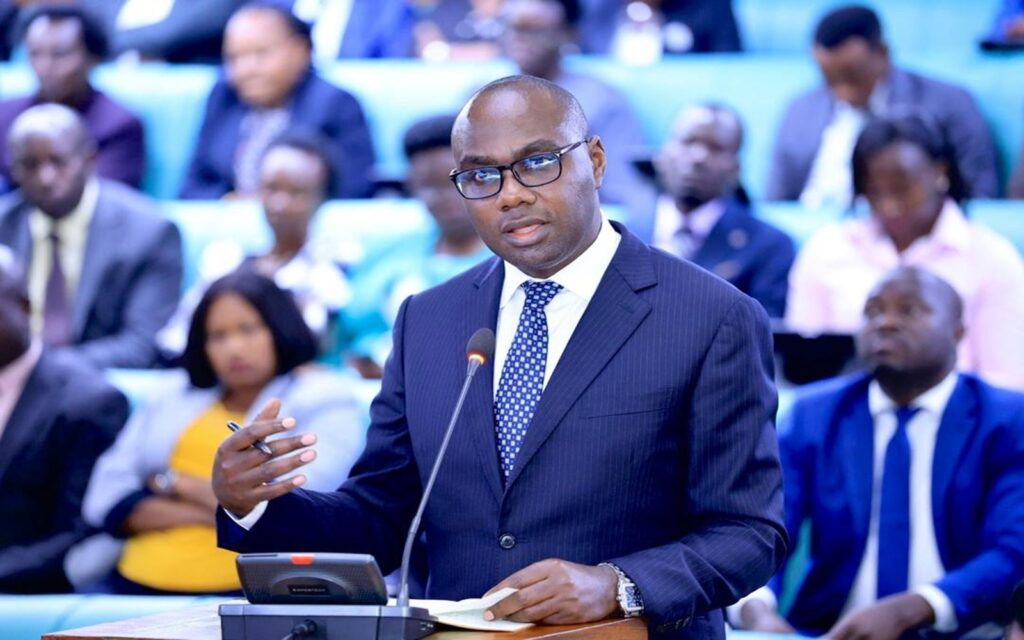
By Joseph Kiggundu
KAMPALA: Members of Parliament have called for greater transparency and accountability in the granting of tax waivers and remissions, warning that the current system could be vulnerable to abuse and revenue losses.
The legislators also challenged Government to provide evidence that companies benefiting from tax relief actually fulfil their promises to create jobs, attract investment and contribute to economic development.
The concerns were raised during debate on a statement by the Minister of Finance, Planning and Economic Development, Henry Musasizi, on the criteria and procedures for accessing tax waivers and remission under Section 43 of the Tax Procedures Code Act.
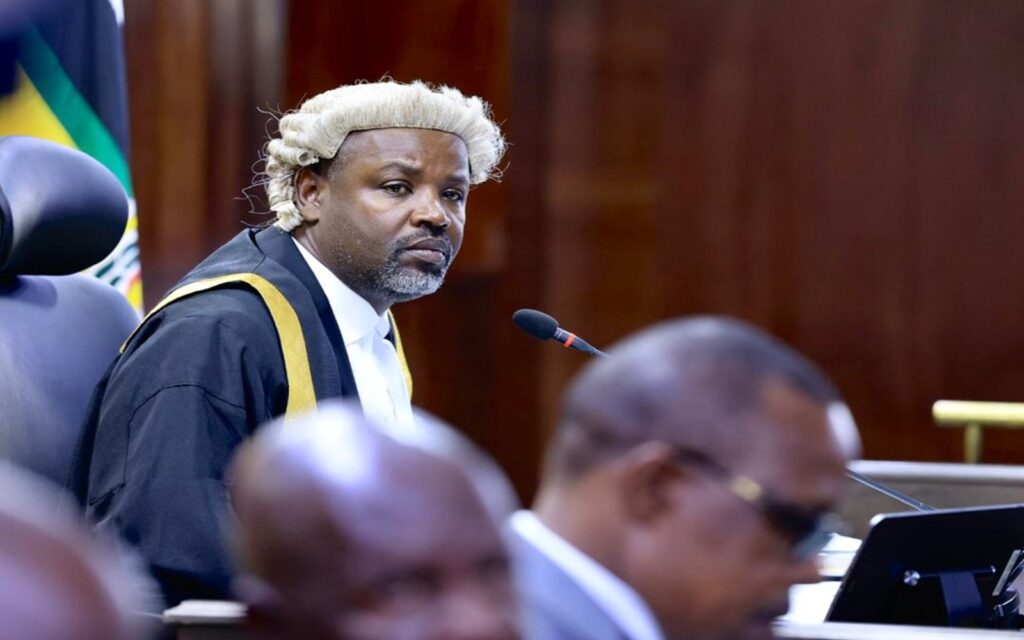
Speaking during a sitting chaired by Deputy Speaker Thomas Tayebwa on Tuesday, August 18, 2026, Musasizi said tax remission is intended for exceptional circumstances where continued recovery of a tax liability would no longer serve the public interest due to hardship, impossibility, undue difficulty or excessive recovery costs.
He said applications go through assessment by the Uganda Revenue Authority (URA), review by the Ministry of Finance and, ultimately, approval by Parliament.
However, MPs questioned whether the safeguards in place are sufficient to prevent abuse.
Mbale City Industrial Division MP Karim Masaba questioned how hardship is determined, citing cases where taxpayers reportedly sought tax relief on grounds of illness while continuing to own income-generating properties.
“When you look at the hardship, it did not come out clear under what hardship,” Masaba said.
He also questioned the remission of Pay As You Earn (PAYE), arguing that employers who deduct the tax from employees are merely holding government revenue and should remit it to URA.
Deputy Speaker Tayebwa similarly questioned the granting of relief on withholding tax, asking why a company would qualify for a waiver after withholding money that already belongs to Government.
Jinja South Division East MP Paul Mwiru asked the minister to explain the criteria for tax relief granted following presidential directives, commonly referred to as “blue letters”.
Kabweri County MP Patrick Wakida raised concerns about revenue losses arising from tax exemptions and waivers, citing findings by the Auditor General and the Public Accounts Committee.
Wakida said reports dating back to 2022 had repeatedly highlighted revenue losses linked to the abuse of tax exemptions and waivers.
He further claimed that the Ministry had acknowledged that Shs1.3 trillion in tax waivers could not be accounted for during the 2024/25 financial year.
The Leader of the Opposition, Joel Ssenyonyi, said although the minister’s statement provided useful information, it remained unclear on what exactly constitutes hardship, illness and inability to pay.
“When you mention reasons like hardship, illness, inability, and all of these different things, they are ambiguous, and yet they should not be,” Ssenyonyi said.
He called for Government to conduct post-waiver assessments to establish whether beneficiaries fulfilled the conditions and whether the intended economic benefits were realised.
“You need to establish these waivers that we allowed; what was the impact on the economy? Did they do what we intended?” Ssenyonyi asked.
In response, Musasizi said the concerns raised by MPs demonstrated the importance of maintaining strict controls at every stage of the tax waiver process.
He explained that applications are subjected to scrutiny by URA, the Ministry of Finance and Parliament, with criteria applied at each stage to identify and address possible loopholes.
The minister maintained that the existing process is designed to ensure tax relief is granted only in exceptional circumstances and in the public interest.