By Jazeerah Mirembe
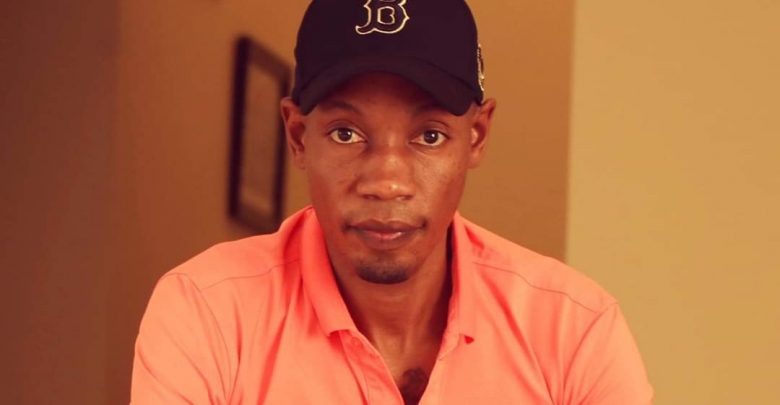
KAMPALA. The High Court in Kampala has granted city socialite Bryan Kirumira, popularly known as Bryan White, mandatory bail after finding that he had spent 293 days on remand without being committed for trial.
Justice Gadenya Paul Wolimbwa ordered Kirumira to deposit Shs10 million in cash and present two substantial sureties, each bonded at Shs50 million non-cash, before he can be released from Luzira Prison.
Kirumira faces six charges, including aggravated human sacrifice, manslaughter, possession of narcotic drugs, conspiracy to commit a felony, giving false information, and engaging in rash and negligent acts.
He is jointly charged with four other people before the Makindye Chief Magistrate’s Court.
He was arrested on November 13, 2025, but prosecutors had not committed his case to the High Court by the time of the ruling dated September 3.
“The applicant has been on remand for two hundred and ninety-three days,” Justice Gadenya said.
“He has accordingly been held for one hundred and thirteen days beyond the day on which the Constitution required that he be released.”
Under Article 23(6)(c) of the Constitution, a person accused of an offence triable only by the High Court must be released on bail if they have spent 180 days on remand before committal.
The judge said the provision created a constitutional entitlement rather than an opportunity for the court to reconsider the gravity of the accusations.
“Mandatory bail is a constitutional entitlement and not an indulgence granted at the court’s pleasure,” Gadenya said.
“Once the preconditions are proved, the court’s function is confined to fixing reasonable conditions and does not extend to weighing whether liberty should be restored at all.”
The Director of Public Prosecutions had opposed the application, arguing that Kirumira was a flight risk because aggravated human sacrifice carries a possible death sentence.
Chief State Attorney Happiness Ainebyona also argued that releasing him could compromise investigations and allow him to interfere with witnesses, his co-accused and evidence at his Badongo village residence, which prosecutors described as the scene of the alleged offence.
The state further said Kirumira’s burn injuries were stable and could be managed by prison health services. It questioned the suitability of his proposed sureties and said preparations were underway to commit him for trial.
Justice Gadenya rejected the objections as grounds for continued detention, saying the seriousness of the charges could not override the mandatory-bail provision after the constitutional deadline had expired.
“An intention to commit at some future date is no answer to a right that accrued on 12th May 2026 and has been accruing daily ever since,” he said.
The judge also found that the prosecution had not substantiated its claim that Kirumira would interfere with witnesses.
“The affidavit in reply gives no particulars of the interference apprehended,” he said.
“It names no witness said to be at risk, discloses no threat made or attempted, and identifies no step in the investigation said to be vulnerable.”
However, the court imposed restrictions intended to protect witnesses and preserve evidence.
Kirumira must not contact any prosecution witness, member of the deceased’s family or co-accused, whether personally, through an agent, electronically or on social media.
He is also prohibited from interfering with the investigation or evidence.
The court barred him from returning to the premises at Badongo village in Salaama Parish, Makindye Division, which prosecutors allege were the scene of the offence.
He must provide an alternative address within the court’s jurisdiction before his release and give seven days’ written notice before changing it.
He must also surrender his passport and any other travel documents and may not leave Uganda without the High Court’s permission.
Kirumira will be required to report to the Makindye Chief Magistrate’s Court according to its existing schedule.
If committed for trial, he must report to the High Court Criminal Division’s Deputy Registrar on the first Monday of every month.
The judge provisionally accepted Kirumira’s paternal uncle, Andrew Kizza Bulyake, and brother-in-law, Phillip Gitta, as sureties, subject to verification of their identity and residence by the Deputy Registrar.
A third proposed surety, nurse Bena Odetta Asiimwe, was not immediately approved because the court said there was insufficient evidence about her financial means and the nature and duration of her friendship with Kirumira.
Kirumira did not attend the hearing after prison authorities reported that he was unwell.
He was represented by Lugoloobi Associated Advocates, who said he had severe burn wounds on his thighs and feet and had undergone skin-grafting treatment.
The court said he would be free to seek treatment from a medical practitioner of his choice and at his own expense after his release. Prison authorities were directed to provide his medical records upon request.
Justice Gadenya expressed concern about the prosecution’s failure to commit such a serious case for nearly 10 months and ordered that the ruling be served on the DPP for appropriate action.
“Article 23(6)(c) is not a reward conferred upon an accused person; it is a sanction imposed for delay,” the judge said.
“A man arrested on 13th November 2025 on charges of the utmost gravity should still, two hundred and ninety-three days later, be awaiting committal.”