
By Joseph Mary Buwule
MBALE: Uganda Development Bank (UDB) has called on tourism operators, entrepreneurs and prospective investors in Eastern Uganda to take advantage of affordable and patient capital to unlock the region’s vast tourism potential and transform the sector into a stronger driver of employment, investment and local economic development.
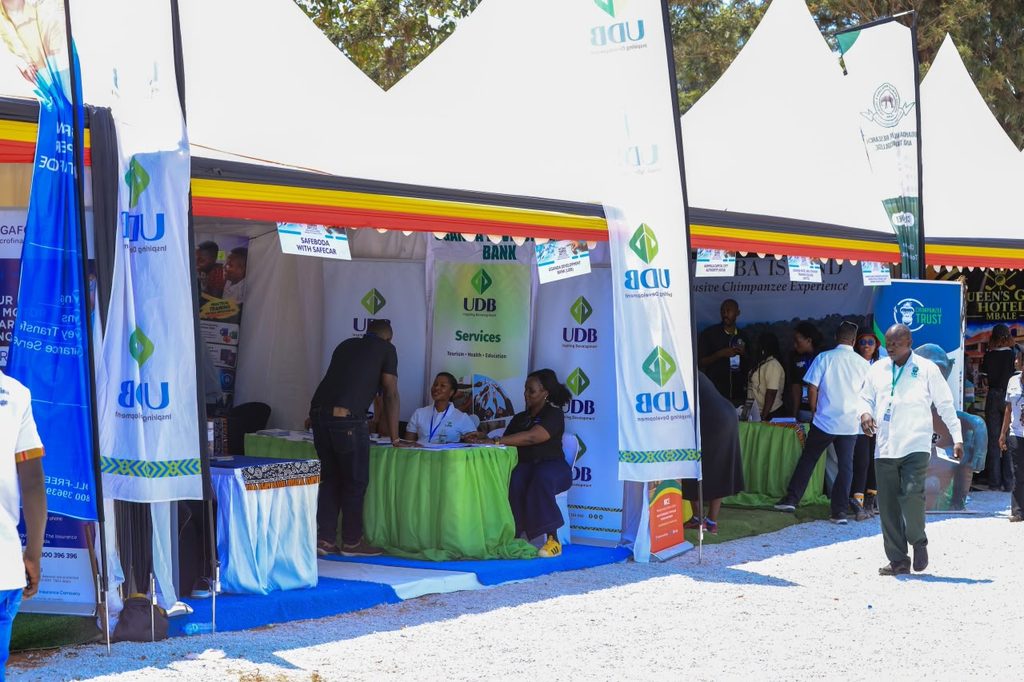
The call was made during World Tourism Day celebrations held in Mbale, where UDB highlighted the growing opportunities presented by Eastern Uganda’s natural, cultural and adventure tourism attractions.
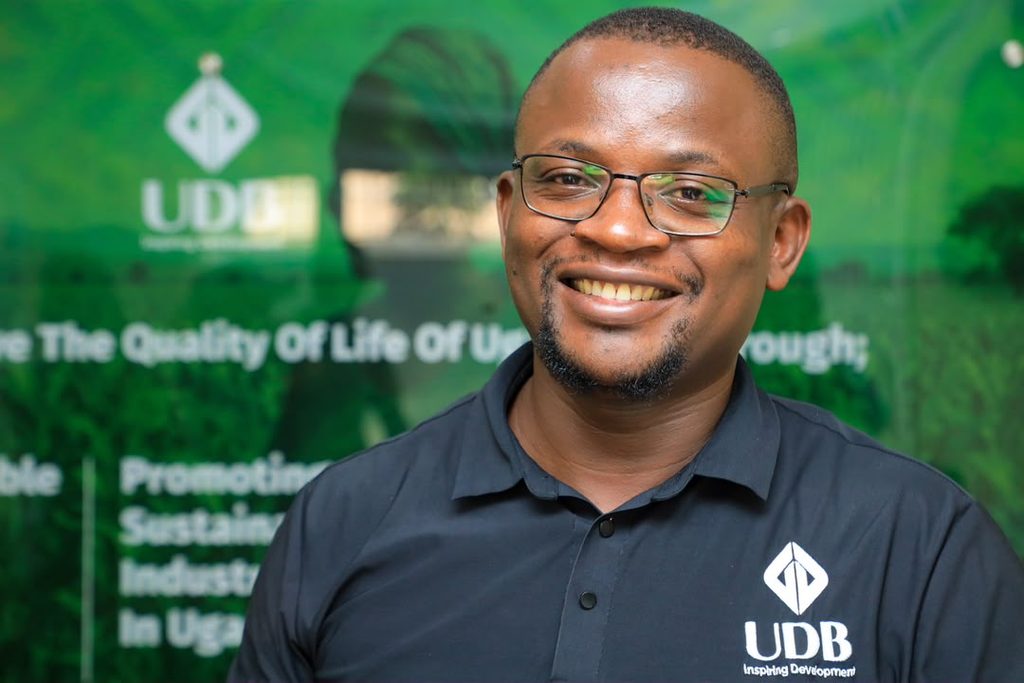
Peter Watuwa, the Regional Manager of UDB’s Eastern Regional Office, said the tourism sector should no longer be viewed simply as an industry that brings visitors into the country, but as a broad economic value chain capable of stimulating activity across several sectors.
“Tourism is much more than the movement of visitors. It is an economic value chain connecting accommodation, transport, agriculture, food production, creative industries, trade and community enterprises,” Watuwa said.
He explained that increased investment in tourism facilities and services would create opportunities for farmers, transport operators, food suppliers, artisans, entertainers and other small and medium-sized businesses that depend on the sector.
Tourism sector shows strong recovery
Watuwa said Uganda’s tourism industry has demonstrated considerable resilience following the disruption caused by the COVID-19 pandemic, with the latest performance figures pointing to a growing investment opportunity.
International tourist arrivals increased by 19.7 per cent to 1.64 million in 2025, while tourism receipts rose to approximately UGX 5.83 trillion, equivalent to USD 1.62 billion.
The tourism sector also accounted for approximately 16 per cent of Uganda’s total export revenues, according to the figures cited by UDB.
Watuwa said the performance demonstrates that Uganda has a tourism proposition capable of competing on the international market, but stressed that more investment is required to increase the quality and diversity of tourism products.
“Uganda has demonstrated that it has a globally competitive tourism proposition. The next frontier is to deepen investment across the value chain, improve the quality and diversity of our tourism products, increase visitor expenditure and ensure tourism generates greater economic value for businesses and communities,” he said.
UDB promotes patient capital
According to UDB, one of the major challenges facing tourism investors is access to appropriately structured, affordable and long-term financing.
Tourism projects such as hotels, lodges, conference facilities, specialised tourist transport and destination infrastructure often require substantial capital before they begin generating sufficient returns.
Watuwa said this is where development finance institutions such as UDB can play a catalytic role by providing financing with longer repayment periods that correspond to the nature of tourism investments.
“Tourism requires patient capital because many investments take time to mature. Our role is to provide financing that enables viable businesses to invest for the long term while generating sustainable economic and social returns,” he said.
UDB provides working capital, asset financing and long-term project financing, with project-financing tenors extending up to 15 years. The Bank also provides equity and other investment solutions where appropriate.
In addition to financing, UDB offers project preparation, investor support and enterprise advisory services intended to help businesses improve their capacity and prepare viable investment projects.
The Bank says its assessment of projects goes beyond their immediate commercial returns to consider the broader socio-economic impact they can generate.
Tourism investment creates wider economic opportunities
Watuwa explained that investment in a single tourism enterprise can generate economic opportunities across several other sectors.
“When UDB finances a hotel, the impact extends beyond the hotel. It creates employment, generates demand for agricultural produce, creates opportunities for transporters and service providers, and supports local suppliers,” he said.
He added that UDB’s objective is to finance commercially viable enterprises capable of improving productivity while creating sustainable economic opportunities for Ugandans.
As of 2025, services—which include tourism—accounted for approximately 17 per cent of UDB’s portfolio, demonstrating the Bank’s role in supporting investment in the services sector.
Eastern Uganda positioned for tourism investment
Eastern Uganda was identified as one of the regions with considerable potential for increased tourism investment because of its concentration of natural, cultural and adventure attractions.
The region hosts a range of destinations, including Mount Elgon National Park, Sipi Falls, the Source of the River Nile, Pian Upe Wildlife Reserve, Tororo Rock and the Nyero Rock Paintings.
Beyond traditional sightseeing, the region has opportunities in adventure tourism, cultural tourism, agro-tourism and coffee tourism.
UDB says these attractions can support investments in hotels and lodges, conference facilities, specialised tourist transport, adventure activities, cultural experiences, farm stays, coffee tourism and other visitor-related services.
Watuwa said the challenge is now to transform the region’s tourism assets into commercially viable products that can attract both domestic and international visitors.
“The opportunity before Eastern Uganda is to convert its extraordinary tourism assets into investable products and experiences. This requires quality accommodation, reliable transport, compelling visitor experiences and strong local supply chains,” he said.
UDB takes development finance closer to investors
The establishment of UDB’s Eastern Regional Office in Mbale is intended to bring development finance and enterprise support closer to businesses and potential investors in the region.
The presence of the Bank in Eastern Uganda is expected to make it easier for entrepreneurs to access information about financing opportunities, prepare investment proposals and obtain enterprise support.
The Bank is encouraging tourism businesses and prospective investors with viable projects to explore available financing and advisory solutions as they seek to expand their operations.
Government calls for affordable financing
Speaking during the World Tourism Day celebrations, the Minister of Tourism, Wildlife and Antiquities, Hon. Tom Butime, also highlighted the importance of affordable financing in encouraging private-sector investment in tourism.
Butime particularly pointed to opportunities in the meetings, incentives, conferences and exhibitions (MICE) industry, which requires substantial investment in facilities and supporting infrastructure.
“We need affordable capital that allows investors to build facilities whose returns accumulate over many years,” Butime said.
He called for stronger government support for the events and MICE industry through affordable capital, investment incentives and infrastructure capable of attracting and hosting major international events.
President Museveni urges investment beyond tourism
President Yoweri Museveni has similarly encouraged Uganda to market itself not only as a tourism destination but also as a destination for investment and trade.
“We should not only tell the world to visit Uganda. We should also tell the world to invest in Uganda, trade with Uganda and build partnerships with Uganda,” Museveni said.
The message reflects a broader government push to position tourism alongside investment, trade and production as contributors to Uganda’s economic transformation.
Turning tourism assets into businesses
For Eastern Uganda, the challenge is increasingly shifting from identifying tourism attractions to developing the infrastructure, services and businesses required to fully commercialise them.
The region’s attractions provide opportunities for investors, but their economic contribution depends on the availability of quality accommodation, transport, visitor experiences, skilled personnel, marketing and reliable supply chains.
Investment in these areas could also create opportunities for communities surrounding tourism destinations to participate in the tourism economy through agriculture, handicrafts, cultural experiences, food supply, transport and other services.
UDB says the combination of rising tourism demand, Eastern Uganda’s diverse tourism assets and increased access to development finance presents an opportunity for entrepreneurs to develop enterprises capable of generating long-term economic value.
The Bank is therefore urging tourism players to look beyond short-term financing and consider patient capital as a tool for developing sustainable businesses whose returns can accumulate over longer investment periods.
As Uganda continues to rebuild and expand its tourism industry, increased private-sector investment is expected to remain critical to improving tourism infrastructure, diversifying products, creating jobs and ensuring that the benefits of tourism reach businesses and communities across the country.
About Uganda Development Bank
Uganda Development Bank Limited (UDB) is Uganda’s national Development Finance Institution mandated to accelerate socio-economic development through sustainable financial and non-financial interventions.
The Bank supports private-sector projects with potential to generate jobs, increase production, contribute taxes and generate foreign exchange, among other development outcomes.
Its priority sectors include agriculture, industry, services and infrastructure, with agriculture, agro-industry and manufacturing constituting a significant proportion of its portfolio in line with Uganda’s national development priorities.