By Sulaiman Kauki
The Parliament of Uganda has passed a motion urging the government to increase funding for the prevention, treatment, and management of Sickle Cell Disease, recognizing it as a serious public health concern.
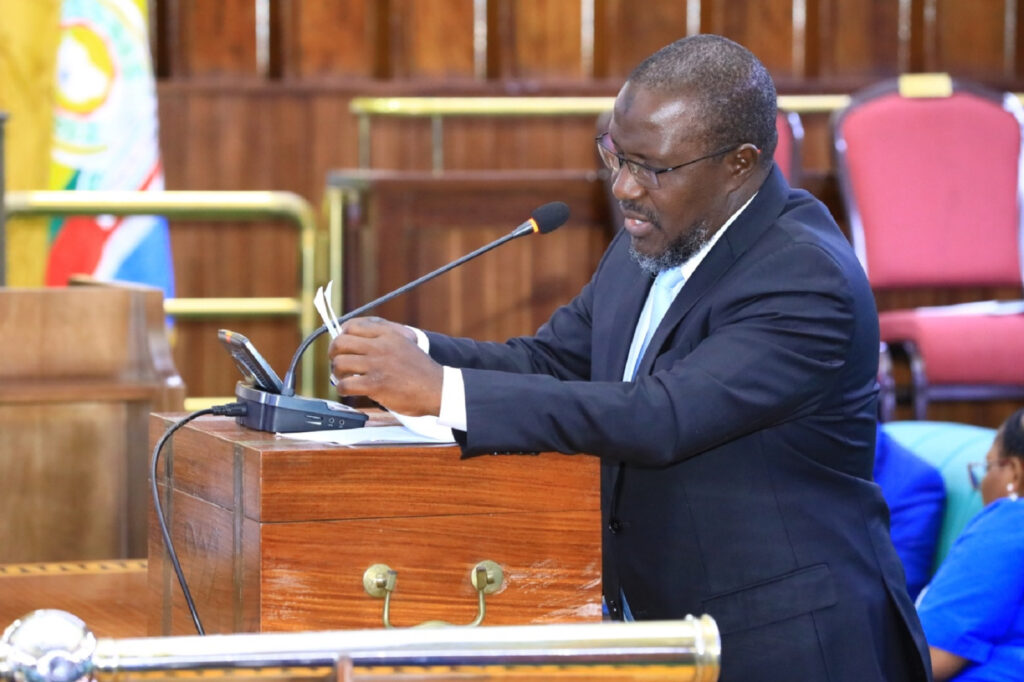
The motion was introduced on Thursday, 12 March 2026 by Asuman Basalirwa and adopted during a plenary session presided over by the Speaker of Parliament, Anita Annet Among.
While presenting the motion, Basalirwa emphasized that sickle cell disease remains a major health challenge in the country and requires stronger government investment in screening, prevention programs, and access to treatment.
Sickle cell disease is a hereditary blood disorder caused by a mutation in the HBB gene, which results in the production of abnormal red blood cells. These cells become sickle-shaped, restricting blood flow and causing severe health complications for affected individuals.
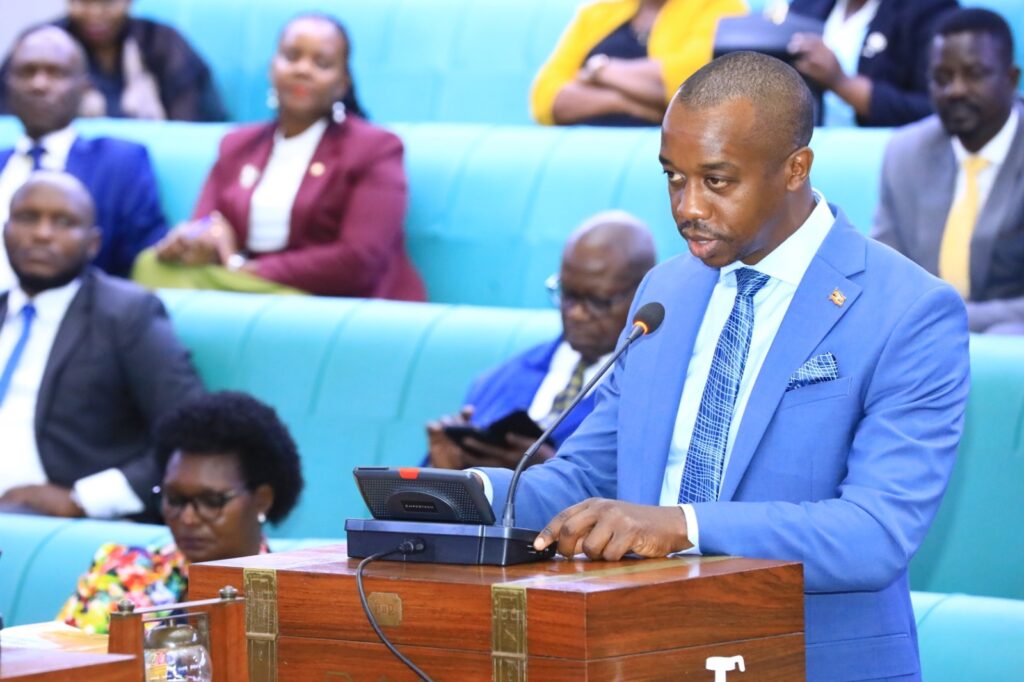
Basalirwa cited provisions of the Constitution of the Republic of Uganda 1995, particularly the National Objectives and Directive Principles of State Policy, which require the state to ensure access to basic medical services for the population.
He also pointed to international concerns raised by the World Health Assembly, which has previously highlighted the high mortality and suffering associated with sickle cell disease, especially in developing countries.
According to available health data, Uganda continues to experience a significant burden of the disease. Basalirwa noted that about 13.3 percent of Ugandans carry the sickle cell trait, meaning roughly one in seven people is a carrier.
He added that approximately 20,000 babies are born with sickle cell disease every year, while an estimated 6,000 to 9,000 children die before reaching the age of five, largely due to delayed diagnosis and limited access to specialized care.
The motion also highlighted the financial and emotional strain the disease places on families, as patients often experience recurring painful episodes, chronic health complications, and frequent hospital visits.
Basalirwa acknowledged efforts by the Ministry of Health Uganda, including newborn screening programs, targeted testing in high-risk regions, and the integration of sickle cell services into the national healthcare system. However, he said limited funding continues to slow progress.
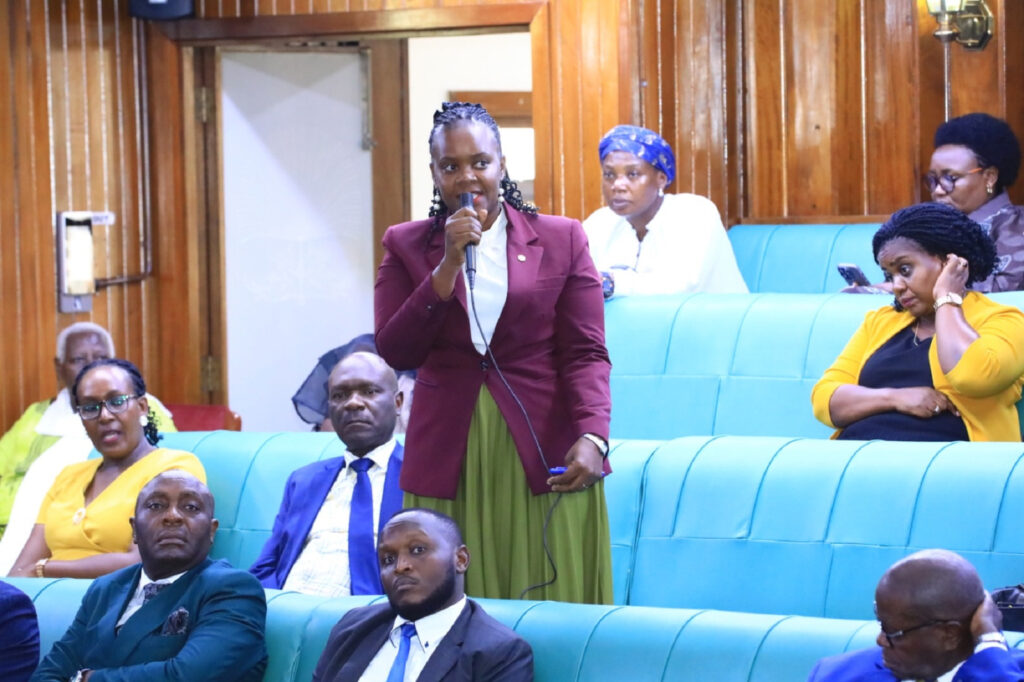
Seconding the motion, Hope Nakazibwe urged government to treat sickle cell disease as a national public health priority, stressing that the high number of carriers makes it a major concern for the country.
Meanwhile, Charles Ayume, who is also a medical doctor, said prevention through public awareness campaigns could significantly reduce the disease burden. He suggested that nationwide sensitization efforts similar to those used during the fight against HIV/AIDS could encourage people to undergo testing before marriage.
Ayume also proposed allocating between Shs5 billion and Shs10 billion to support the supply of Hydroxyurea, a medicine known to help patients manage pain crises and reduce hospital admissions.
Col. Victor Nekesa added that families raising children with sickle cell disease often face significant financial and emotional challenges. She said expanding access to modern medical technologies could help reduce the disease’s impact.
Responding to the debate, the Government Chief Whip, Hamson Obua, said the government has already taken steps to address the condition. He noted that several health facilities in the Lango Sub-region have been equipped with testing machines to improve diagnosis and management of sickle cell disease cases.