By Joseph Kiggundu
A shortage of specialized medical personnel at Mulago Specialised Women and Neonatal Hospital has raised concerns over the safety of newborn and premature babies, with many being referred to other health facilities for critical care.
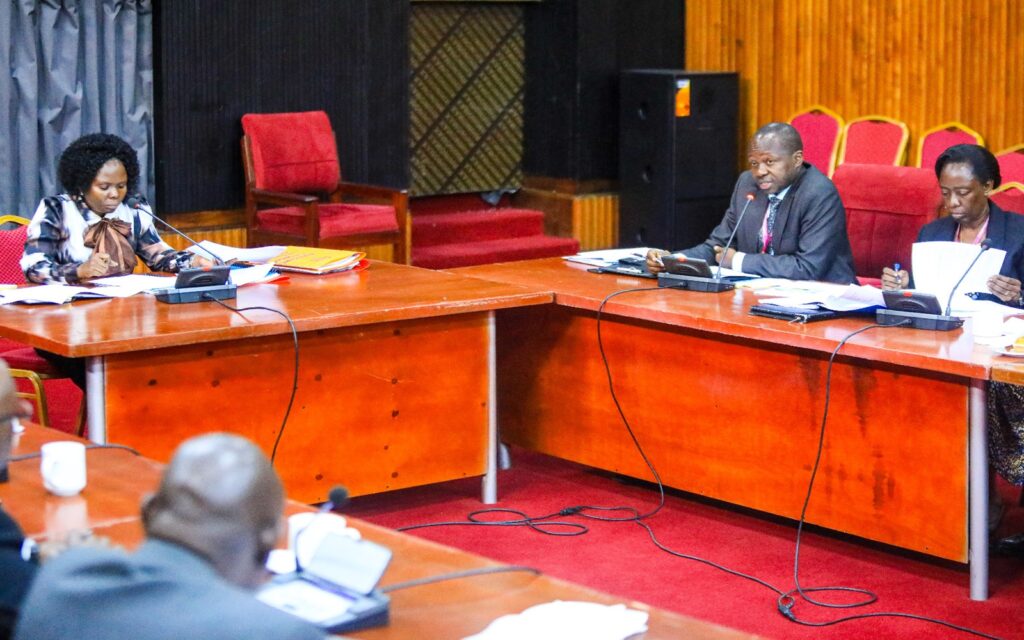
The hospital’s Acting Executive Director, Sam Ononge, revealed the challenges while appearing before the Public Accounts Committee of the Parliament of Uganda on Tuesday, 17 March 2026.
According to Dr. Ononge, the facility is currently unable to provide specialized treatment to a significant number of infants admitted to its Neonatal Intensive Care Unit (NICU), particularly premature babies born before 32 weeks. He noted that about 45 percent of the babies in the unit fall into this category and require advanced care, including eye examinations that cannot be conducted due to the absence of specialists.
As a result, many of the infants are referred to facilities such as Mengo Hospital and Nsambya Hospital for further treatment.
Dr. Ononge warned that transferring such vulnerable patients exposes them to additional health risks, including infections and complications from cold exposure. He added that lack of timely specialized care could lead to long-term conditions such as blindness, even in cases where the babies survive.
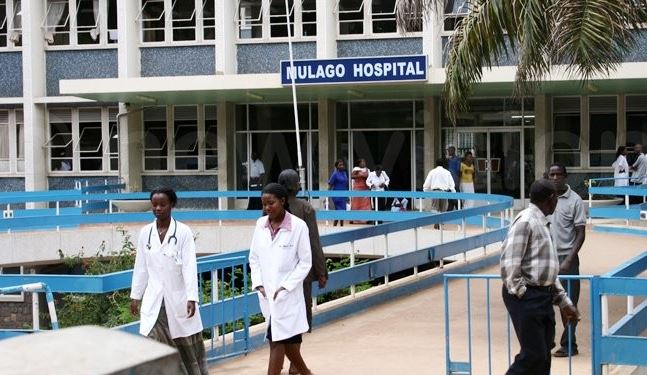
The hospital also faces challenges in handling newborns who require surgical procedures, often referring them to Mulago National Referral Hospital—a process he described as risky for critically ill infants.
In addition to specialist shortages, the hospital is grappling with understaffing in its intensive care unit. Dr. Ononge said the current ratio stands at approximately one nurse to six babies, which is far above recommended levels and places significant strain on healthcare workers.
“This situation leads to staff fatigue and increases the likelihood of errors in care,” he noted, calling on lawmakers to support efforts to increase staffing levels to at least 60 percent of the required capacity.
Looking ahead, the hospital plans to expand its services by establishing a paediatric centre and strengthening its in-vitro fertilisation (IVF) programme. Dr. Ononge said the facility has already recorded successful IVF births and is preparing to begin accepting donors to support the initiative.
Meanwhile, the Deputy Chairperson of the committee, Gorreth Namugga, urged the government to prioritise funding for the hospital, particularly in recruiting specialised personnel.
She also advised against fully waiving medical fees for patients, suggesting instead that services be subsidised to prevent potential misuse while still ensuring access to care for those in need.