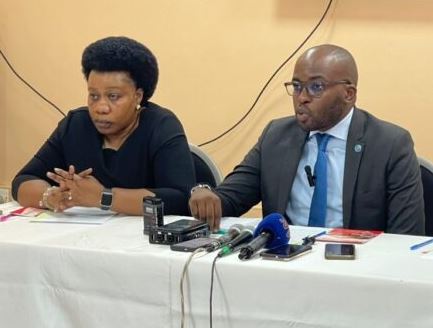
A coalition of civil society organizations in Uganda has urged the government to urgently restore operations of suspended non-governmental organizations and lift restrictions on their bank accounts, cautioning that the ongoing measures are affecting service delivery, economic activity, and democratic processes.
Addressing the media on Monday under the theme “NGOs Are Not Terrorist Organizations,” the groups accused authorities of tightening control over civic space through what they described as excessive administrative actions, questionable directives, and increasingly hostile rhetoric.
Central to their appeal is the immediate reversal of recent decisions that have seen several NGOs halted and their financial transactions blocked. The coalition argued that these actions were taken without following proper legal procedures, leaving many organizations unable to operate.
In a joint statement, the CSOs called for the reinstatement of operating permits for all affected organizations and the restoration of access to their financial resources.
They further claimed that the current situation reflects a recurring trend of pressure on civil society, particularly during politically sensitive periods. The groups cited past incidents, including operations against NGOs during the 2017 constitutional amendment process and the suspension of multiple organizations in 2021, as part of a broader pattern.
The coalition also pointed to recent changes under the NGO (Amendment) Act 2024, which integrated the NGO Bureau into the Ministry of Internal Affairs. According to them, the transition has led to gaps in oversight, creating room for inconsistent and unilateral decision-making.
Concerns were also raised about the role of financial regulators. The CSOs accused the Financial Intelligence Authority of freezing accounts without court authorization, despite previous court rulings on the matter. They also questioned the involvement of the Uganda Bankers’ Association, alleging that it had encouraged commercial banks to take actions beyond its legal mandate.
The groups warned that the effects of these restrictions are being felt widely, particularly by vulnerable communities that rely on NGO-supported services such as healthcare, education, and legal aid.
They added that limiting the work of civil society organizations weakens accountability mechanisms, reduces independent scrutiny of government actions, and could negatively affect investor confidence and employment within the sector.
In addition to calling for the reopening of NGOs, the coalition opposed proposed regulatory reforms that would centralize control of donor funding under government structures. They argued that such measures could compromise the independence of civil society and politicize development support.
The organizations also called on the government to respect constitutional rights, particularly freedoms related to association, expression, and participation in public affairs.
Rejecting accusations that NGOs threaten national security, the coalition emphasized their role as development partners and advocates for citizens’ welfare.
“We are not enemies of the state,” the statement stressed. “A strong civil society supports citizens and strengthens governance.”
The groups said they will continue to pursue legal action and advocacy efforts to challenge the restrictions, signaling continued engagement with authorities over the future of the sector.