By Joseph Mary Buwule
A major environmental conservation drive has been launched on Dolwe Island in Namayingo District as La Fang Eco Resort unveiled an ambitious campaign to plant two million trees on the rocky island located on Lake Victoria.
The initiative, which is aimed at restoring the island’s fragile ecosystem and promoting sustainable tourism, seeks to transform Dolwe Island into a greener and more environmentally resilient destination through long-term reforestation efforts.
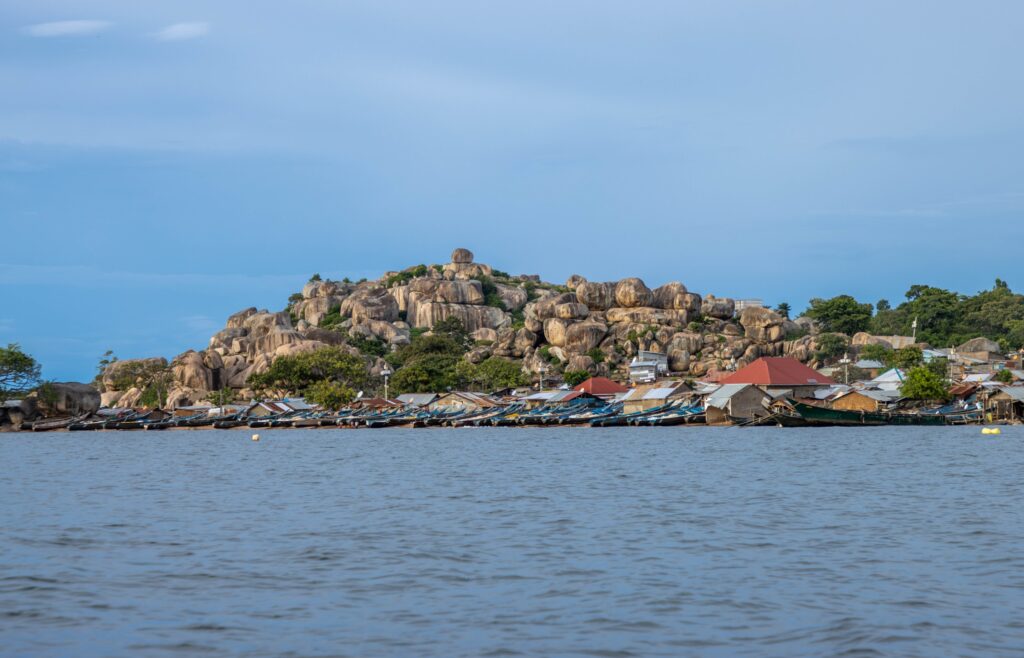
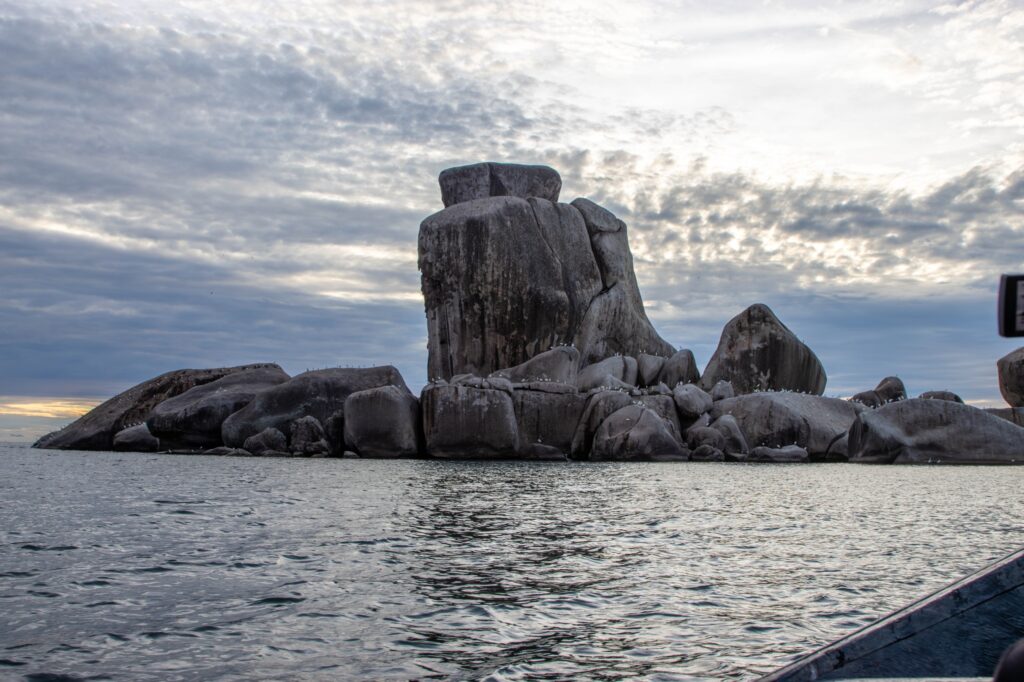
Known for its rocky terrain where trees rarely grow naturally, Dolwe Island presents a unique conservation challenge. However, the management of La Fang Eco Resort says the campaign is intended to reverse environmental degradation while creating awareness about climate action and responsible tourism.
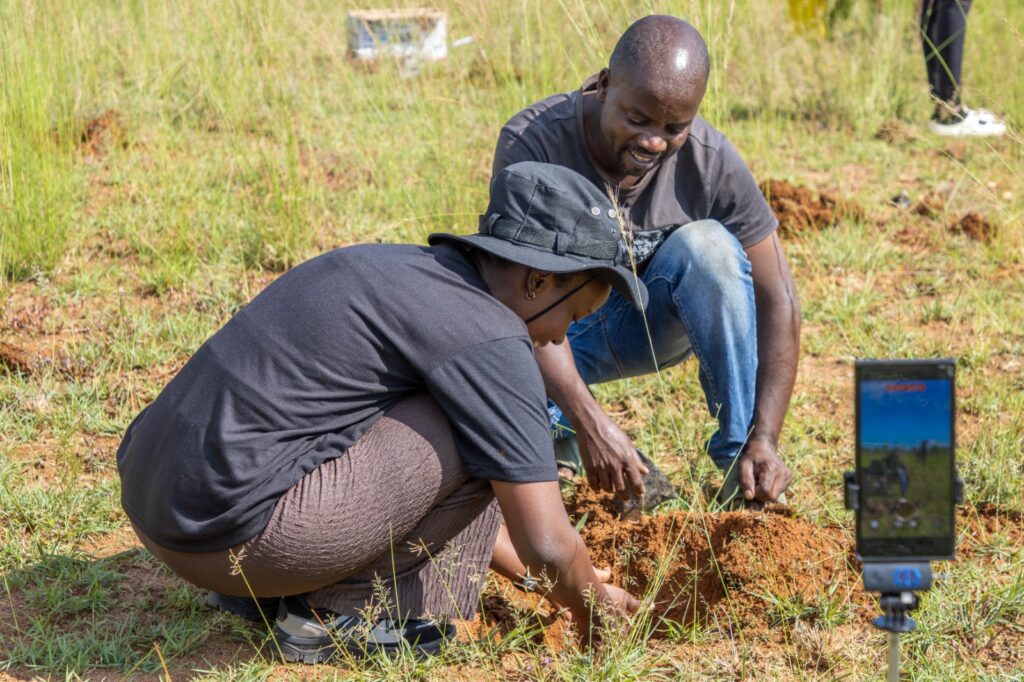
Under the initiative, every guest visiting the eco resort will plant a tree in their own name before leaving the island, creating what the resort describes as a “living legacy” that connects visitors directly to environmental conservation efforts on the island.
Nestled within the scenic natural environment of Dolwe Island, La Fang Eco Resort has positioned itself as a conservation-centered tourism facility that blends eco-friendly hospitality with environmental stewardship. The resort is surrounded by ancient rock formations, butterflies, birdlife, and untouched natural scenery that continue to attract both local and international travelers seeking nature-based tourism experiences.
The resort operates entirely off-grid using solar energy and an onsite water system as part of its broader commitment to sustainable operations and reducing environmental impact.
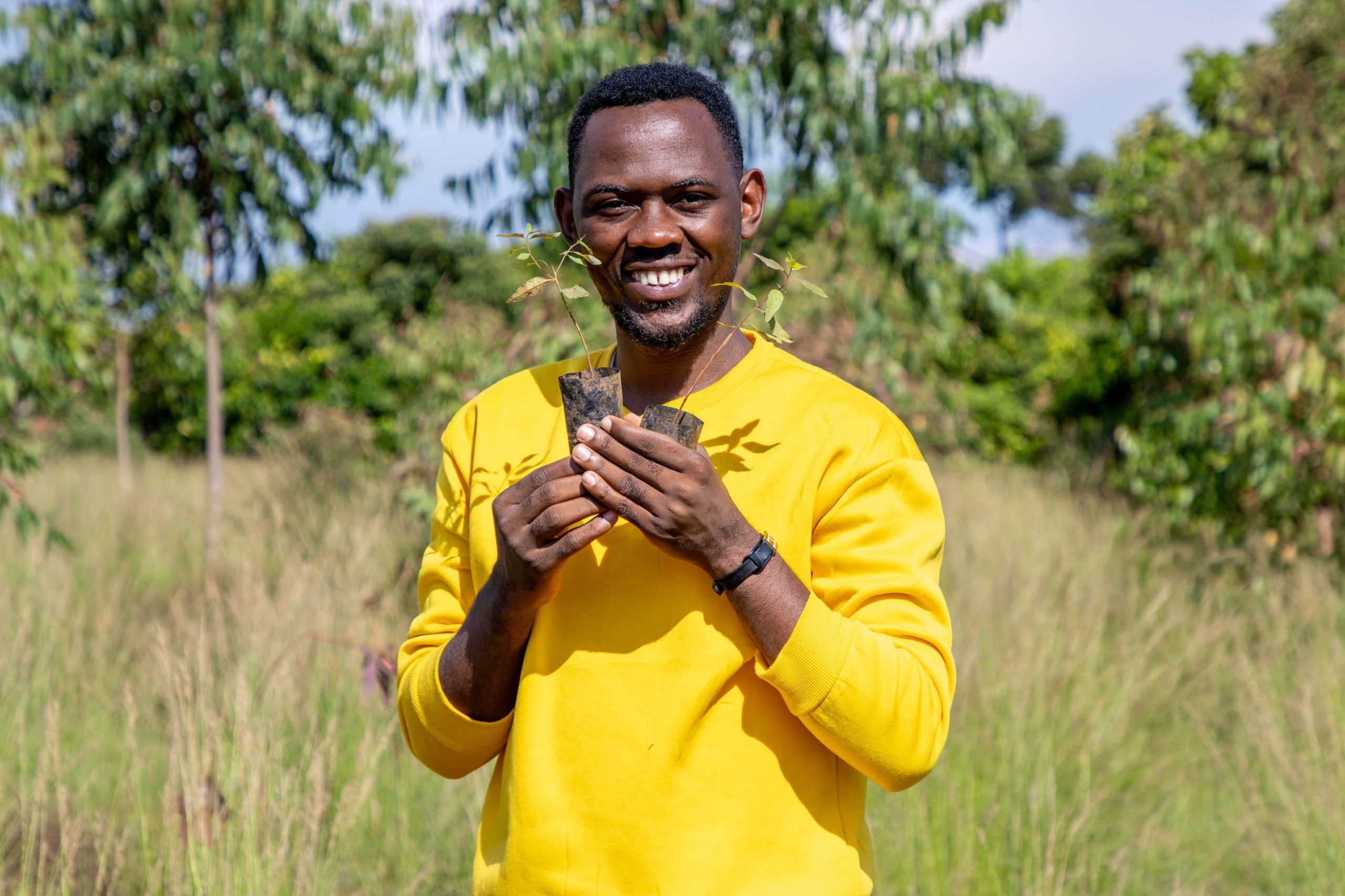
Speaking during the launch of the campaign, the General Manager of La Fang Eco Resort, Duncan Wandera, said the tree planting initiative reflects the resort’s vision of turning tourism into a tool for environmental restoration and community transformation.
“We believe tourism should leave a positive impact on the environment and the communities around it. Dolwe Island is naturally rocky and has very limited tree cover, which makes this initiative even more important. Every visitor who comes to La Fang Eco Resort becomes part of the journey to restore and green the island,” Wandera said.
He noted that although the target of planting two million trees appears ambitious, the resort is confident that it can be achieved gradually through partnerships, community involvement, and participation from visitors.
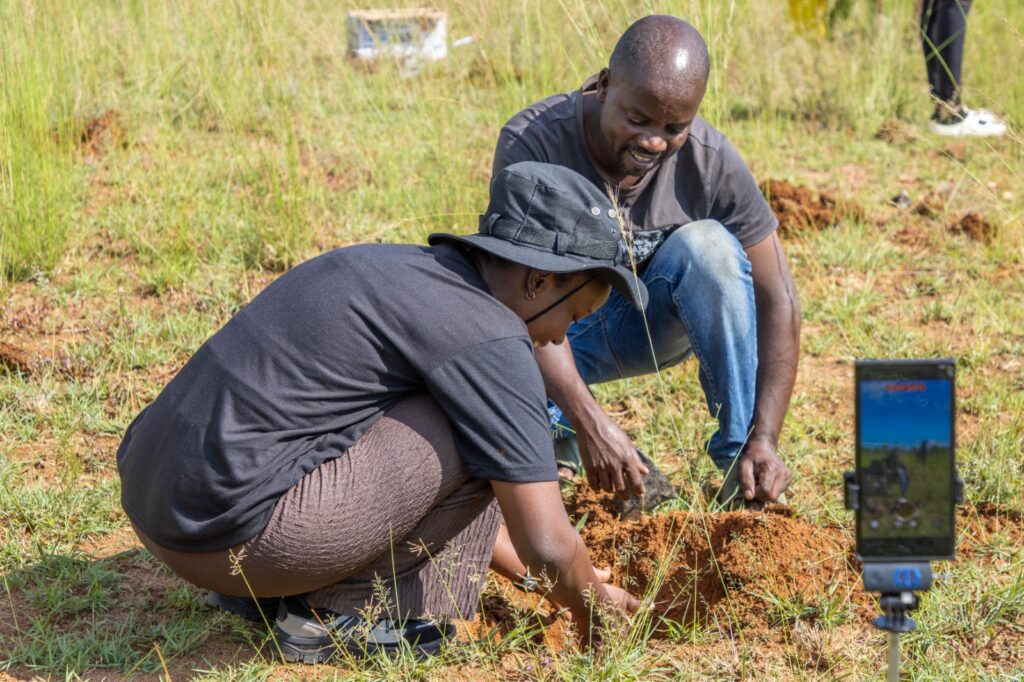
“Each guest plants a tree in their name before leaving the resort. Over time, these trees will stand as symbols of conservation, memories, and commitment to protecting nature. We are inviting travelers, conservationists, and organizations to join us in building a greener Dolwe Island,” he added.
According to the resort management, sustainability has remained central to the facility’s operations through environmentally conscious practices such as the use of solar power, organic farming, waste reduction, and reforestation activities aimed at improving soil retention and restoring vegetation cover on the island.
Environmental experts say tree planting initiatives on islands and fragile ecosystems play a critical role in combating climate change, preventing soil erosion, supporting biodiversity, and improving environmental resilience.
The campaign is expected to contribute significantly to improving soil retention on the rocky island, supporting wildlife habitats, and enhancing biodiversity while positioning Dolwe Island as a model destination for climate-conscious tourism in Uganda.
The initiative also seeks to inspire local communities and visitors to actively participate in environmental protection efforts amid increasing global concerns over climate change and environmental degradation.
La Fang Eco Resort is now calling upon Ugandans, international travelers, environmental organizations, conservation groups, and development partners to support the campaign by visiting the island, participating in tree planting activities, or partnering with the resort in conservation programs.
Management believes the long-term success of the initiative will not only restore the island’s ecosystem but also strengthen eco-tourism opportunities, create environmental awareness, and leave a lasting conservation legacy for future generations.