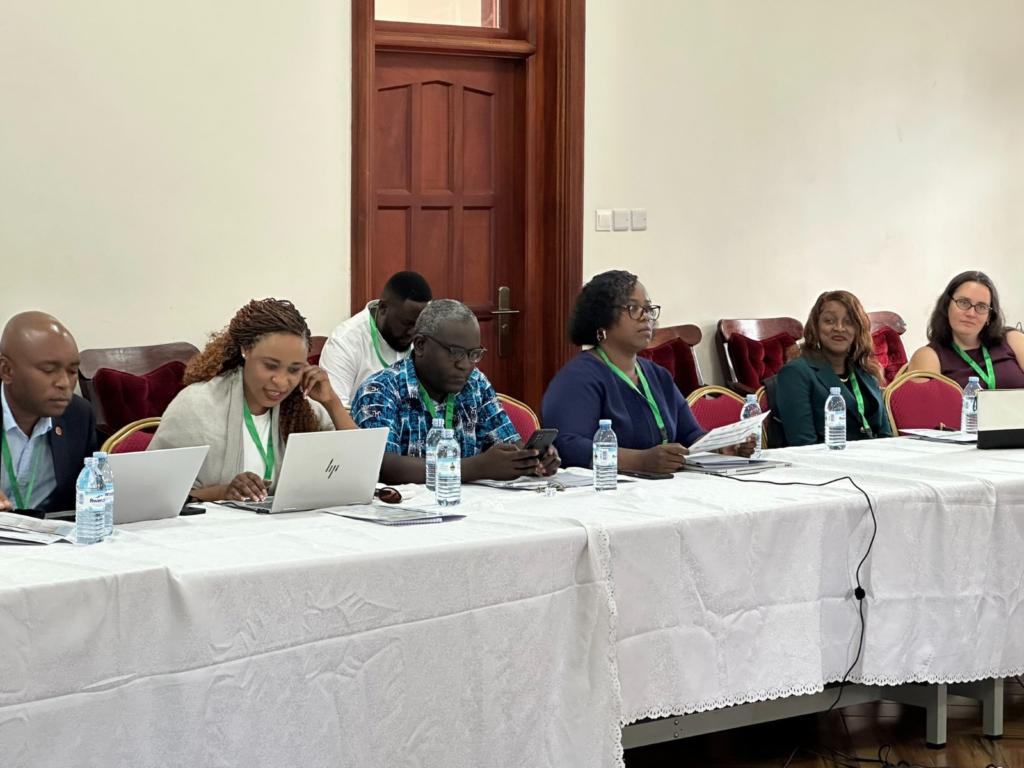
By Joseph Mary Buwule
The Principal of the Makerere University College of Humanities and Social Sciences, Prof. Helen Nambalirwa Nkabala, has officially opened a five-day workshop aimed at rethinking Africa’s green and digital future amid growing global crises.
The workshop, titled “Green and Digital Futures: Rethinking the Twin Transition in Africa in an Era of Multiple Crises,” brings together scholars, researchers, policymakers, and development practitioners to deliberate on the continent’s transformation agenda in the face of climate change, economic uncertainty, technological disruption, and shifting geopolitical realities.
According to the organizers, the workshop focuses on Africa’s “twin transition” — the intersection between green transformation and digital transformation — and how the continent can navigate both transitions in a way that promotes sustainability, inclusion, and economic independence.
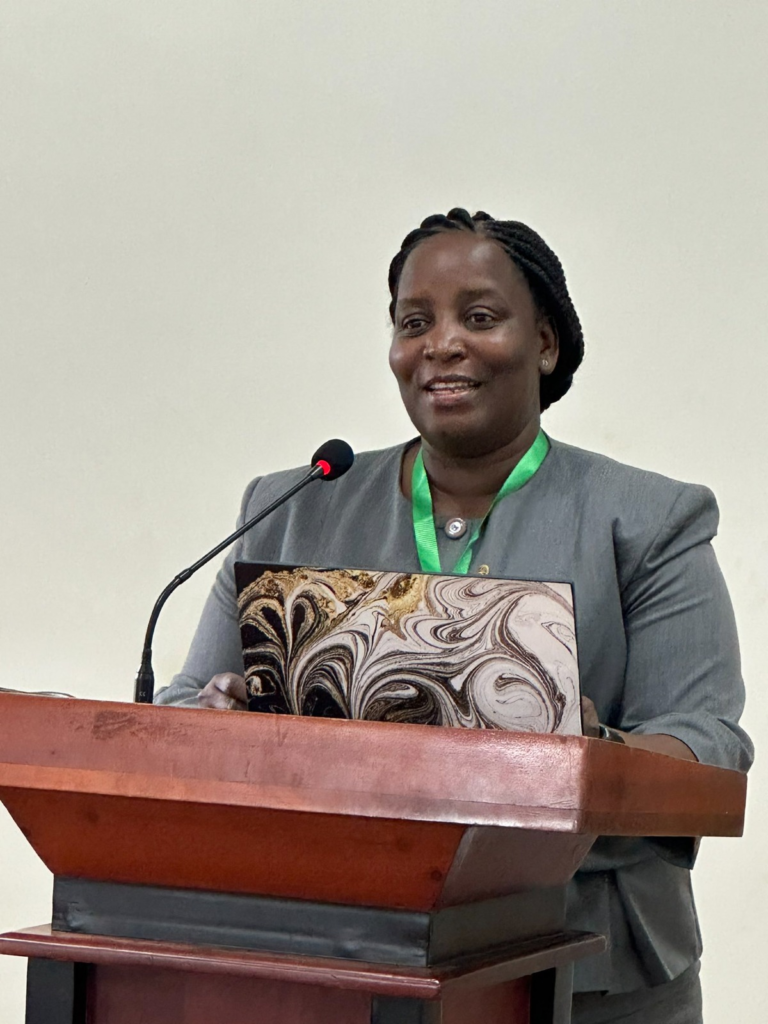
Speaking during the opening session, Prof. Nkabala emphasized the importance of creating African-centered solutions to emerging global challenges. She noted that universities and research institutions have a critical role to play in shaping policies and generating knowledge that responds to Africa’s realities.
The discussions during the workshop are expected to explore a wide range of themes including decolonisation, industrial policy, energy transitions, digitalisation, social inclusion, and the emergence of new global dependencies linked to technology and green development.
Participants are also examining how African countries can harness innovation and technology while ensuring that vulnerable communities are not left behind in the transition toward greener economies and digital societies.
The workshop comes at a time when many African nations are seeking sustainable development pathways that balance environmental conservation, industrial growth, and digital advancement. Experts argue that while digitalisation and green technologies present enormous opportunities, they also risk deepening inequalities if not carefully managed.
Organizers say the engagements will provide an important platform for critical reflection on how Africa can build resilient economies, strengthen local industries, and position itself strategically within the evolving global order.
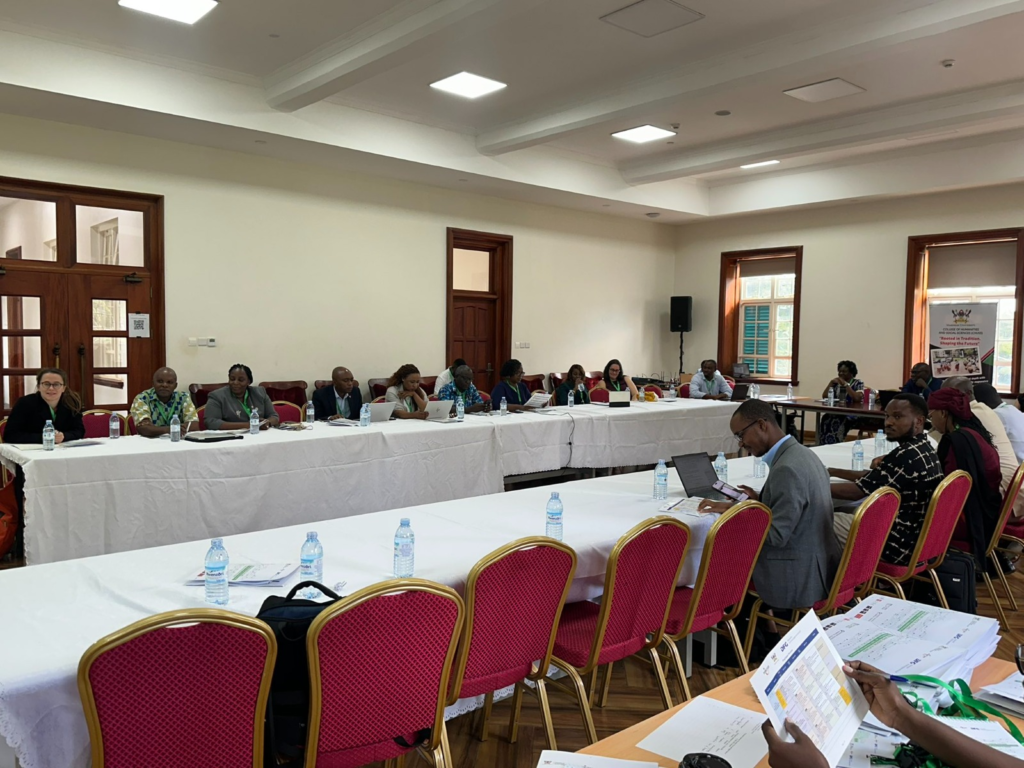
The five-day engagement is expected to produce new research collaborations, policy recommendations, and deeper conversations on Africa’s future in a rapidly changing world.