By Joseph Mary Buwule:
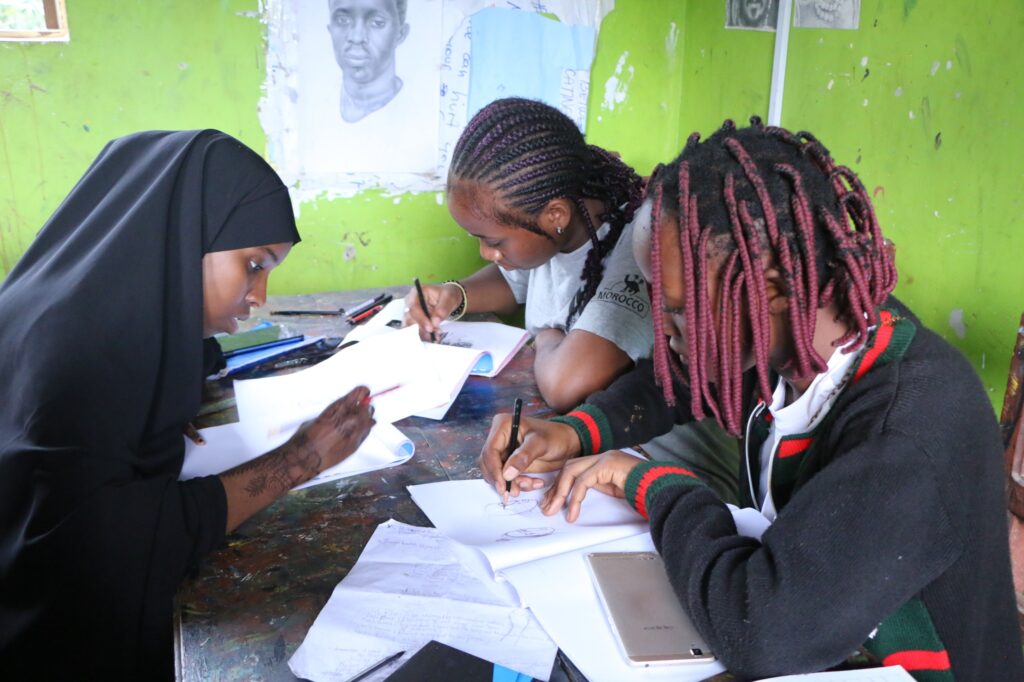
KAMPALA – The European Union (EU) has provided an additional €3 million (about UGX 12 billion) to strengthen access to education for refugee and host community children in Uganda, reinforcing its commitment to ensuring that vulnerable children continue to access safe, inclusive, and quality learning opportunities.
The funding, announced as the EU celebrates 50 years of partnership with Uganda, builds on an initial €5 million contribution made in 2025 to the Building Resilient Inclusive Systems for Locally Led Education and Protection (RISE) Project.
The new allocation, provided through the Humanitarian Implementation Plan (HIP) 2026, is accompanied by an extension of the project implementation period from February 2027 to April 2027, allowing partners more time to consolidate achievements and expand impact.
According to the EU, the additional support is aimed at addressing some of the most pressing challenges facing education in refugee-hosting communities, including teacher shortages, overcrowded classrooms, and financial barriers that prevent children from attending school.
“The EU remains committed to supporting the Government of Uganda’s efforts in ensuring inclusive, equitable, quality and non-discriminatory access to education for all children, including refugees and Ugandans in host communities,” said Liam Kelly, Head of EU Humanitarian Aid in Uganda.
Kelly noted that the EU prioritizes the rapid enrolment of forcibly displaced children into school within three months of arrival to ensure uninterrupted learning and protection.
“In 2026, to address teacher shortages, the EU provided targeted incentives to strengthen the teaching workforce and continues to support the Government of Uganda and its progressive transition of schools to government-led management, thus strengthening national ownership,” he added.
The RISE project is implemented by a consortium led by Save the Children, working in partnership with Humanity & Inclusion (HI), Education Local Expertise Centre Uganda (ELECU), Young African Refugees for Integral Development (YARID), Humanitarian Assistance and Development Services (HADS), Uganda Society for Disabled Children (USDC), and Katalemwa Cheshire Home for Rehabilitation Services (KCH).
The consortium currently supports refugee and host community children across eight refugee-hosting districts in Uganda.
A significant portion of the new funding will be directed towards recruiting and deploying additional teachers to reduce classroom congestion and improve learning conditions for children whose education has been disrupted by conflict and displacement.
The project will also provide unconditional cash transfers to vulnerable households to help families meet education-related expenses such as school materials and other essential costs. The intervention is expected to improve school enrolment, attendance, and retention, particularly among children at risk of dropping out.
Welcoming the additional support, Famari Barro, Country Director of Save the Children in Uganda, said the funding will enable the consortium to respond more effectively to growing educational needs.
“We are grateful to the European Union for this additional funding and its overall engagement in Uganda, which allows us to respond more effectively to the evolving education needs of refugee and host community children in Uganda,” Barro said.
“This support will enable the RISE consortium to address critical teacher gaps, reduce pressure on overcrowded classrooms, and provide cash for education support to families who are struggling to keep their children in school.”
He added that the expanded funding would allow more children, including girls, boys, newly arrived refugees, children with disabilities, and those at risk of dropping out, to access integrated education and protection services.
With the latest funding boost, the RISE programme will expand beyond its current areas of operation in Nakivale, Rwamwanja, and Kyangwali refugee settlements to include Adjumani, Palabek, Rhino Camp, Kiryandongo, and Palorinya.
Across all locations, the programme will continue focusing on enrolling out-of-school children, supporting newly arrived refugees, improving learning outcomes through strengthened teaching capacity, and promoting child protection through community-based mechanisms.
The initiative also seeks to strengthen education systems at district, school, and community levels while ensuring that resources are directed toward priority interventions that deliver meaningful results for children and families affected by displacement.
Uganda remains one of the largest refugee-hosting countries in Africa, accommodating millions of refugees and asylum seekers, primarily from neighbouring countries affected by conflict and instability. The latest EU contribution is expected to significantly strengthen efforts to ensure that refugee and host community children are not left behind in accessing education and protection services.