By Joseph Mary Buwule
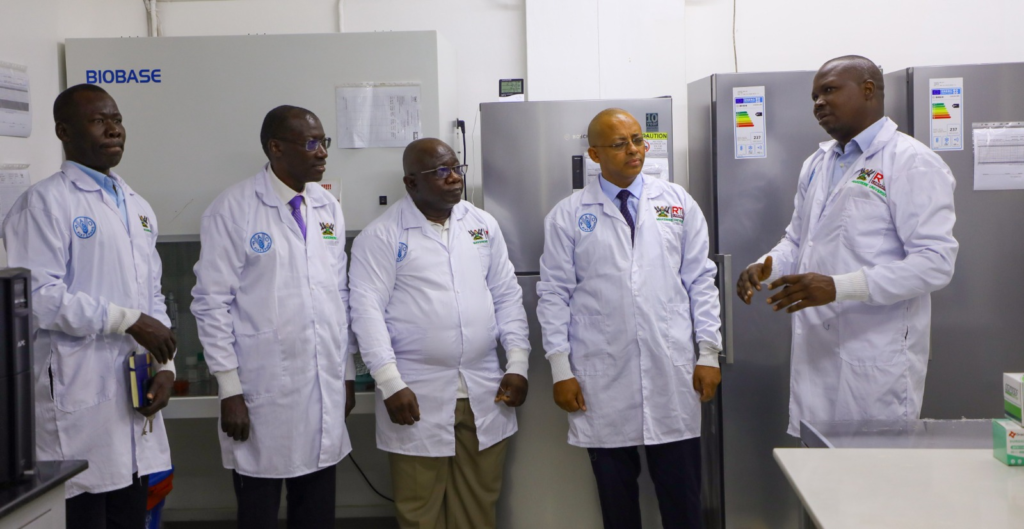
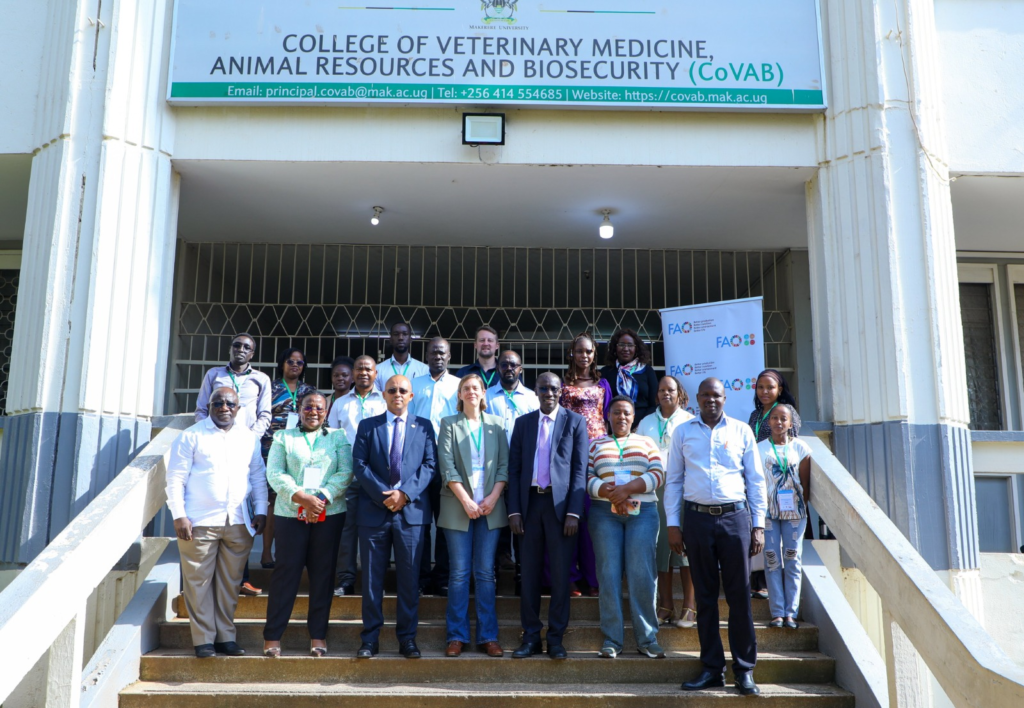
KAMPALA, Uganda – A week-long training on sustainable tick control and acaricide resistance management is currently underway at the RTC Laboratory at the College of Veterinary Medicine, Animal Resources and Biosecurity (CoVAB), Makerere University.
The training has brought together experts and laboratory professionals specializing in tick and acaricide resistance diagnostics, with the aim of strengthening efforts to combat tick-borne diseases and improve livestock health systems across the region.
Supported by the Food and Agriculture Organization (FAO), the programme combines both theoretical instruction and hands-on practical learning to equip participants with advanced skills in acaricide resistance testing and diagnostics.
According to the organizers, the training is designed to enhance laboratory capacity, improve the quality and reliability of testing procedures, and harmonize protocols used in acaricide resistance assessments. Participants are also expected to strengthen collaboration and knowledge-sharing networks that support effective tick control strategies.
Ticks remain one of the major challenges affecting livestock production in Uganda and many parts of Africa, causing significant economic losses through reduced productivity, disease transmission, and increased treatment costs. The growing concern over acaricide resistance has made the need for accurate diagnostics and sustainable control measures increasingly important.
Through the training, participants will gain practical experience in modern laboratory techniques used to detect and monitor acaricide resistance, enabling them to contribute more effectively to surveillance and management programmes in their respective institutions.
The initiative is expected to support broader efforts aimed at improving livestock health, enhancing food security, and promoting sustainable agricultural development through evidence-based approaches to tick control.
Experts attending the training emphasized that strengthening laboratory systems and fostering regional collaboration are critical steps toward addressing the challenge of acaricide resistance and ensuring the long-term effectiveness of tick control interventions.