KAMPALA. Uganda’s Finance Ministry has clashed with the Central Bank over the controversial Protection of Sovereignty Bill 2026 currently before Parliament.
In a Certificate of Financial Implications submitted to Parliament, State Minister for Finance Amos Lugoloobi said the Bill would “strengthen national control by regulating foreign influence and aligning external financing with Uganda’s development priorities.”
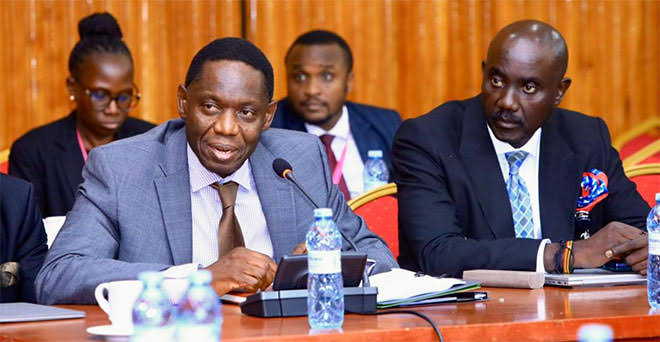
But appearing before Parliament on Tuesday, Bank of Uganda Governor Michael Atingi-Ego warned the same measures could disrupt inflows that underpin the country’s balance of payments.
“Chairman, a country without reserves is not sovereign,” Atingi-Ego said. “The potential of this Bill to destabilize Uganda’s balance of payments is our primary concern.”
Uganda posted a balance of payments surplus of about $1.5 billion in the last financial year, lifting reserves to nearly $6 billion, he said, adding that curbs affecting foreign funding could reverse those gains.
“The moment you tamper with these inflows… we risk running down our reserves,” he said.
The governor said reduced inflows could weaken the shilling and push up the cost of imports, threatening inflation, which is currently around 3%, below the central bank’s 5 percent target.
“We will need to either tighten monetary policy further… or allow inflation to go beyond the 5 percent target,” he said.
The Finance Ministry, however, said the Bill would enhance digital sovereignty, tighten oversight of foreign-funded organisations and ensure aid and loans align with national priorities.
It projected implementation costs of about 29 billion shillings ($7.5 million) and said the law was not expected to generate direct revenue.
The proposed law also aims to curb disinformation and foreign propaganda, preserve cultural values and strengthen national security, according to the ministry’s submission.
The divergence highlights competing priorities within government, with the central bank focused on safeguarding external stability while the finance ministry emphasises regulatory control and sovereignty.
Uganda relies on foreign inflows, including development financing and investment, to support its reserves and currency stability.
The World Bank Group has also warned Parliament the bill could affect its operations and those of other development lenders, adding to scrutiny from legal experts who say the draft law is too broad.
Attorney General Kiryowa Kiwanuka has defended the bill as necessary to regulate foreign influence.