By Buwule Joseph Mary
At the American Center in Kampala, a powerful message of science, solidarity, and shared responsibility took center stage as American and Ugandan institutions reaffirmed their commitment to ending malaria through cutting-edge research and coordinated action.
Speaking at the Malaria Research Symposium titled “Strengthening U.S.-Uganda Collaboration in Malaria Research and Control,” U.S. Ambassador to Uganda, William W. Popp, emphasized that malaria is not just a national challenge for Uganda, but a global health security threat that demands collective effort.
“Mosquitoes don’t respect borders,” Ambassador Popp said, underscoring the interconnected nature of disease control. “Controlling malaria in Uganda protects Ugandans, Americans, and people worldwide.”
The symposium brought together leading scientists, policymakers, and global health experts, including Moses Kamya and Richard Kajubi from the Infectious Diseases Research Collaboration, as well as officials from the Ministry of Health Uganda and the U.S. Centers for Disease Control and Prevention.
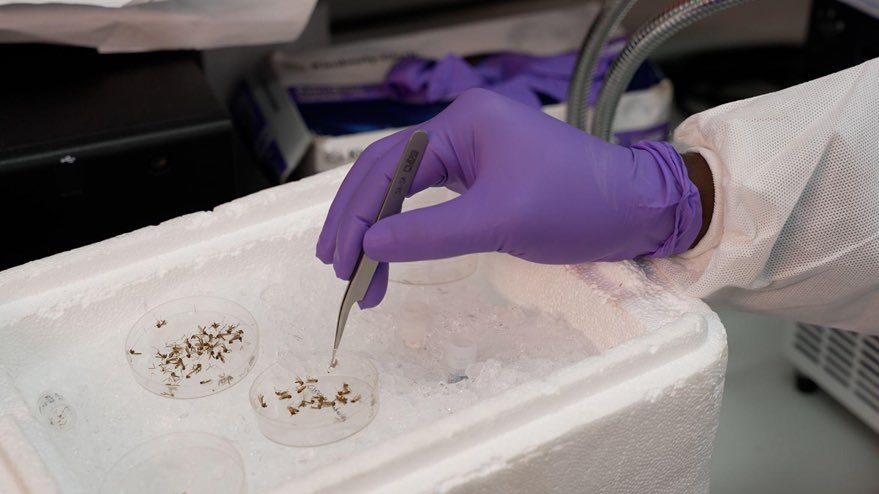
Their joint efforts are advancing critical research in malaria surveillance, drug resistance, vector control, and case management—areas essential to reducing transmission and ultimately eliminating the disease.
A Global Threat with Local Impact
Globally, malaria continues to exert a heavy toll, with over 250 million cases and more than 600,000 deaths reported annually. While Uganda remains one of the most affected countries, the implications stretch far beyond its borders. The United States records approximately 2,000 malaria cases each year, largely among travelers returning from endemic regions.
Ambassador Popp highlighted that controlling infectious diseases at their source is central to global health security and aligns with the United States’ broader priorities, alongside HIV, tuberculosis, and polio eradication.
Research Driving Real Progress
The collaboration between U.S. universities, Ugandan researchers, and government agencies has already delivered measurable results. Over the past decade, Uganda has made significant strides in malaria control:
Prevalence among children has dropped from 45% to 13% since 2009
Household ownership of insecticide-treated nets has reached 84%
Preventive treatment among pregnant women has risen from 17% to 73%
These gains reflect the power of evidence-based interventions driven by research and strong partnerships.
However, challenges remain. Malaria prevalence is still disproportionately high among low-income communities, standing at 23% compared to just 2% in wealthier households. Refugee settlements also lag behind, with only 51% net ownership and a 16% prevalence rate—highlighting the urgent need for targeted interventions.
Landmark Health Partnership
The symposium comes at a pivotal moment, following Uganda’s release of the Malaria Indicator Survey 2024/2025 and the launch of the Uganda Malaria Elimination Strategic Plan (UMESP) 2025–2030.
These milestones are reinforced by a historic five-year, $2.3 billion Memorandum of Understanding on Health Cooperation signed between the United States and Uganda. Under this agreement, the U.S. has committed up to $1.7 billion, while Uganda will contribute over $500 million—marking the largest health partnership in the country’s history.
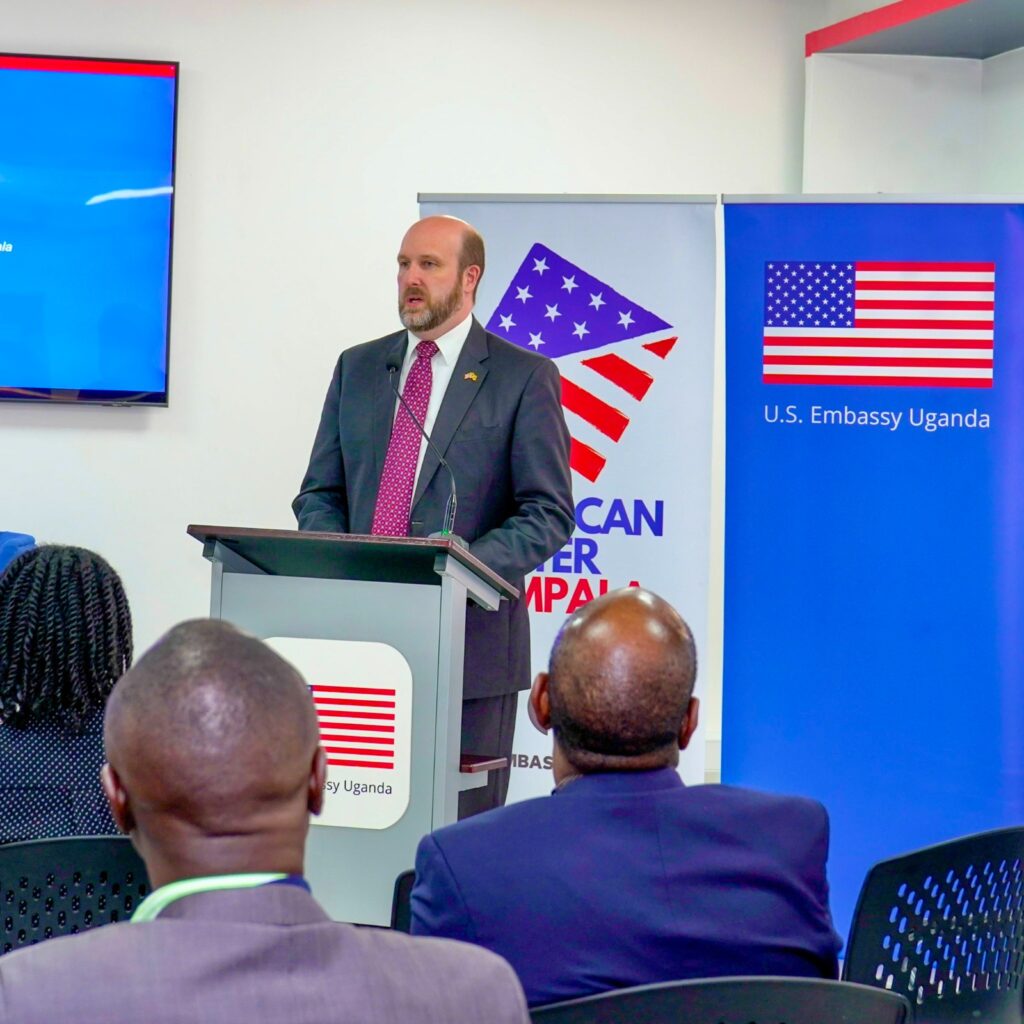
“This is not a donor-recipient relationship,” Ambassador Popp stressed. “It is a true government-to-government collaboration built on shared responsibility, mutual accountability, and measurable results.”
A key focus of the partnership will be scaling up indoor residual spraying and strengthening Uganda’s malaria elimination strategy, ensuring sustainability through strong country ownership.
Science, Innovation, and the Future
The symposium also highlighted the role of American scientific leadership, with U.S. institutions deploying advanced tools and technologies to tackle malaria. At the same time, Ugandan researchers are playing a central role in generating locally relevant evidence and training the next generation of scientists.
Participants were urged to translate research findings into actionable policies, strengthen health systems, and ensure that interventions reach the most vulnerable populations.
“To researchers: continue pushing the boundaries of knowledge,” Ambassador Popp said. “You are building the foundation for a malaria-free future.”
A Shared Vision
As Uganda intensifies its efforts toward malaria elimination, the partnership with the United States stands as a model of effective international collaboration—spanning governments, universities, and research institutions.
The message from the symposium was clear: defeating malaria will require sustained investment, innovation, and cooperation across borders.
But with science leading the way and partnerships growing stronger, there is renewed hope that a malaria-free Uganda—and a healthier world—is within reach.