By Buwule Joseph Mary
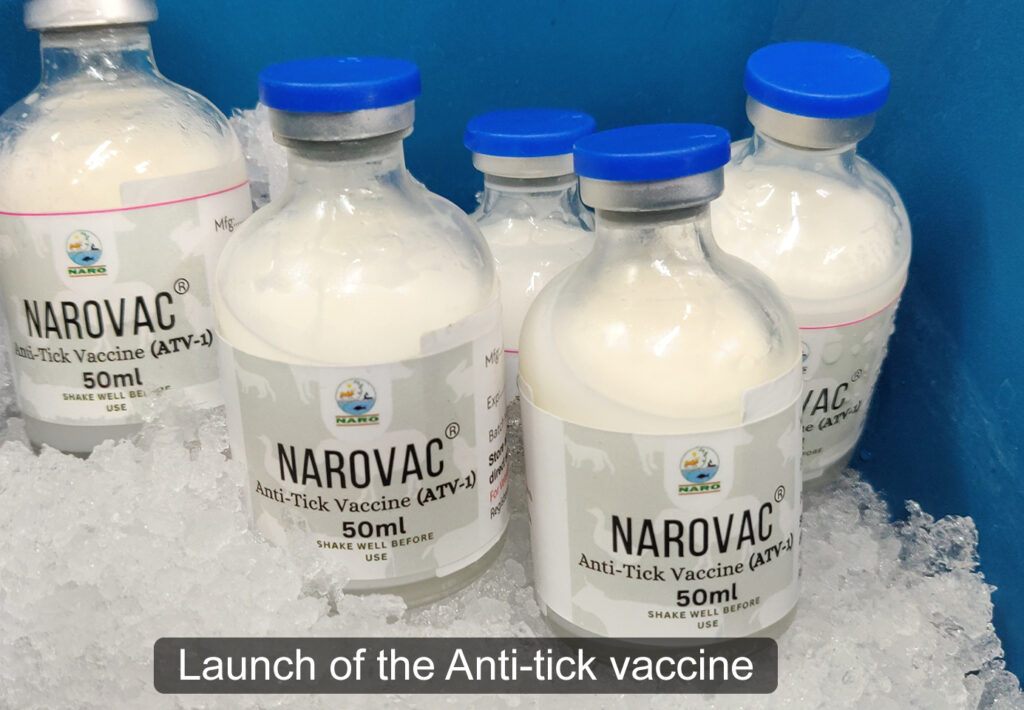
Uganda has taken a significant leap in agricultural innovation with the launch of its first locally developed anti-tick vaccine, NAROVAC-ATV1, a breakthrough expected to transform cattle farming and improve livestock productivity across the country.
President Yoweri Kaguta Museveni officially commissioned the vaccine at the National Livestock Resources Research Institute, a facility under the National Agricultural Research Organisation (NARO). The milestone marks a major step in Uganda’s journey toward science-led agricultural transformation.
Describing the innovation as a “lasting solution,” President Museveni emphasized the vaccine’s potential to tackle tick-borne diseases that have long burdened cattle keepers. “The cow now kills the tick,” he remarked, underscoring the scientific ingenuity behind the vaccine. Unlike conventional tick control methods that rely heavily on chemical acaricides, NAROVAC offers a safer and more sustainable alternative, reducing both production costs and environmental risks.
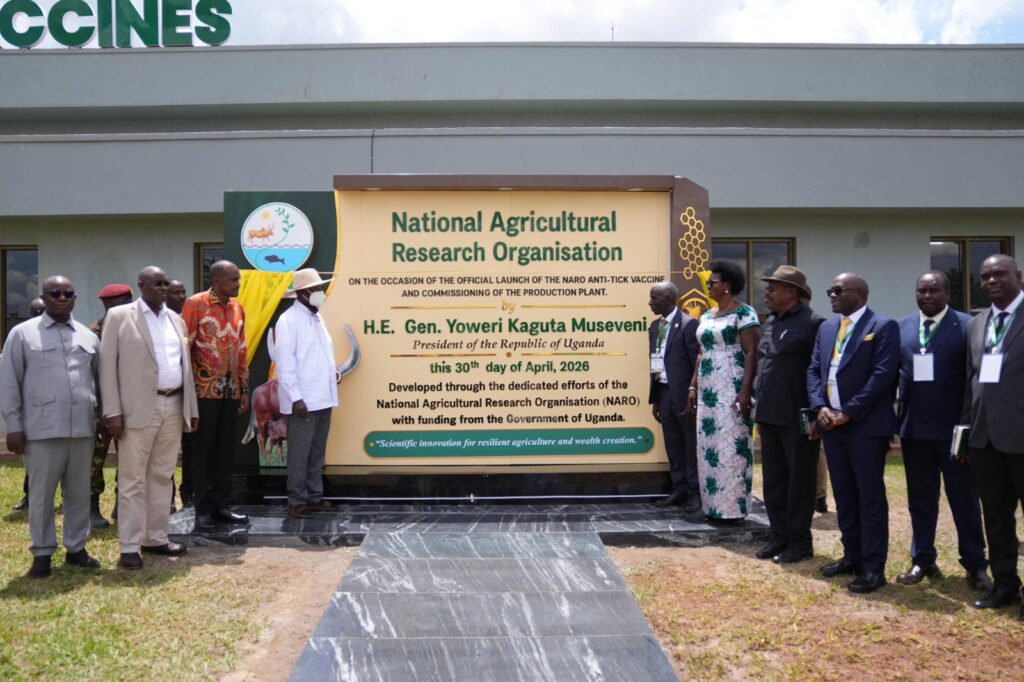
Tick-borne diseases have historically posed a serious threat to Uganda’s livestock sector, leading to significant economic losses. The introduction of NAROVAC-ATV1 is expected to ease this burden by enhancing cattle health, increasing milk and meat production, and improving farmers’ incomes.
The vaccine works through a novel biological mechanism explained by Dr. Swidiq Mugerwa, one of the lead scientists behind the innovation. By extracting a protein from the tick itself and introducing it into the cow’s body as a vaccine, the animal’s immune system is triggered to produce antibodies. When ticks feed on the vaccinated animal, these antibodies attack and kill them—effectively turning the host into its own line of defense.
“This is science working directly for the farmer,” Dr. Mugerwa noted, highlighting the vaccine’s precision and long-term effectiveness.
During the launch, Prof. Justus Rutaisire briefed the President on the complex manufacturing process, pointing to the high level of research, precision, and innovation that went into developing the vaccine. The facility at Namulonge currently has the capacity to produce up to 36 million doses annually, positioning Uganda as a potential regional hub for veterinary vaccine production.
The Minister of Agriculture, Animal Industry and Fisheries, Frank K. Tumwebaze, welcomed the development as a fulfillment of a long-standing vision. He recalled a 2022 meeting at State House where scientists presented the concept to the President, who subsequently directed the Ministry of Finance to provide funding.
“Your Excellency supported the team and ensured that resources were made available. Today, we are witnessing the results of that commitment,” Tumwebaze said.
He further noted that government efforts are now focused on strengthening livestock systems by guiding agricultural agencies to breed and distribute resilient, high-quality cattle, complementing the impact of the new vaccine.
In a bold show of commitment to research and innovation, the government has allocated UGX 600 billion to NARO to establish a comprehensive vaccine research hub. This investment is expected to accelerate the development of more homegrown solutions in animal health and beyond.
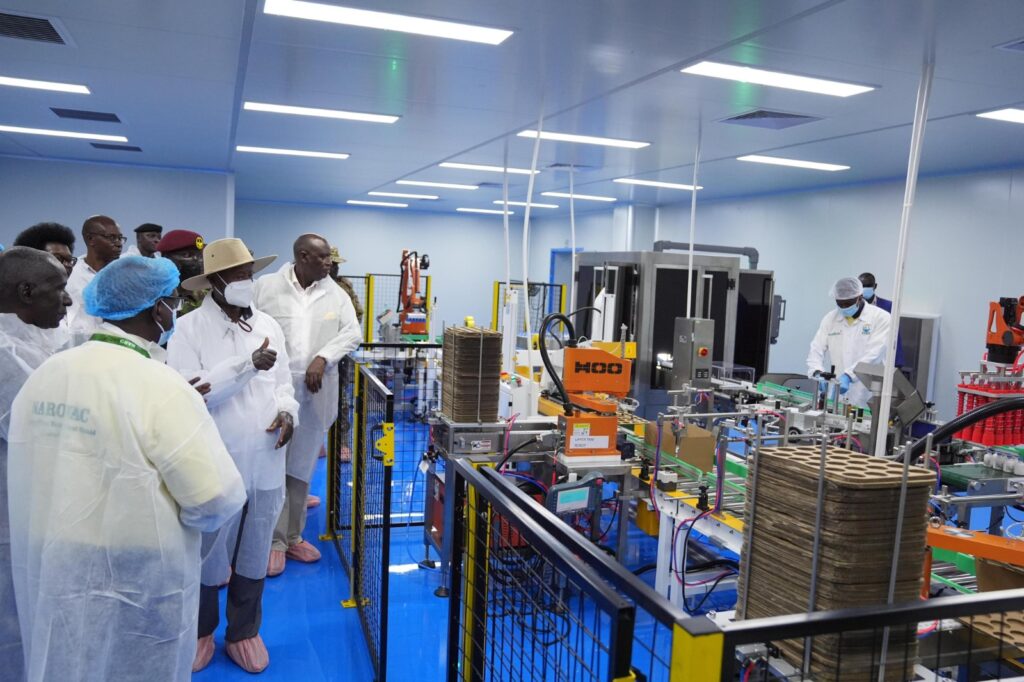
The launch of NAROVAC-ATV1 signals a turning point for Uganda’s livestock industry—one that blends science, policy support, and local expertise to solve real-world challenges. As the country positions itself as a leader in agricultural innovation, the vaccine stands as a powerful example of how research-driven solutions can uplift farmers and strengthen the national economy.